Home

Will's Youtube Channel!






Hi, Thanks for visiting my website. My name is Will and if you have questions
or would like to
contribute projects or ideas you can contact me 
How to Make a
sword - Overview
There are many different
ways that swords are made but here is an overview of the steps for the
most common sword making process.
Forging A
bar of the desired metal or combination of metals is heated in a forge
and then it is hammered into shape. This hammering process can take
a long time. This is called drawing out the sword. The sword is worked
on in sections (usually around 6 inches in length) and repeatedly hammered
and heated until the sword comes into the desired shape.This
process is repeated and the sword is often heated then allowed to cool
without hammering. This is required by the metal to keep the desired
properties of strength and flexibility.
- Annealing
When the final shape is complete the total sword is heated and then
allowed to cool very slowly. Often it is wrapped in an insulating material
to slow down this cooling. It can take as long as 24 hours and this
process is called Annealing and this makes the sword soft and easy to
grind.
- Grinding
Now the blacksmith uses a grinder to work out the edge and point of
the sword. This would also be when any engraving is added. This is not
a completed sword yet. It is still much too soft.
- Hardening Now
the sword is heated to a very high temperature and then placed into
a quenching tank. This quenching allows it to cool quickly and evenly
which will harden the metal.
- Tempering Again
the blade is heated and quenched. But now the heating is at a much lower
tem perature than was used at the hardening. This heating/quenching
cycle may be repeated several times. This tempering allows the blade
to be strong but not brittle. It will have a certain amount of flexibility
yet still retain its sharp edge.
- Completion The
sword blade itself is now complete. Now the additional parts will be
added such as the pommel the guard and the hilt.
Want to learn how to make a sword and watch a video of the whole process? I have it right here:
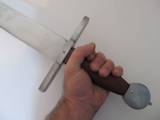
How to Make a Real Sword
- I take you through the whole process of making a sword. And this one is a good sized sword! Really beefy and feels good in the hands. How to Make a sword (Includes a video showing you how)
Complete
Bladesmith: Forging Your Way to Perfection
The Craft of the Japanese Sword -
This book takes the reader into the workshops of four of Japan's leading sword craftsmen. Each craftsman has a different role in the manufacture of a blade. Yoshindo Yoshihara, the swordsmith, begins with raw steel made in a traditional charcoal-fueled smelter and refines it by folding and forging, gradually shaping it into a sword with a hardened edge. Okisato Fujishiro then sharpens and polishes the sword with fine stones to reveal the color and texture of the steel. Metalworker Hiroshi Miyajima makes the small copper-and-gold habaki collar that fits between the blade and the scabbard. Finally, Kazuyuki Takayama carves the hilt and the scabbard out of a single piece of wood. Black-and-white photographs show every stage of the manufacture, while important information on history, metallurgy, and modern-day appraisal is presented in an extensive introduction.
The Backyard Blacksmith: Traditional Techniques for the Modern Smith
The Backyard Blacksmith takes the mystery out of blacksmithing, but not the magic...
There is an increasing interest and revival in the art of blacksmithing as a hobby and art, and both men and women are becoming at-home blacksmiths. Blacksmithing is a simple, rewarding craft anyone can enjoy in their backyard or home workshop -- even beginners can produce useful and beautiful projects on their first try.
The Backyard Blacksmith shows you how -- with some patience and a working knowledge of metals, basic tools, and techniques -- blacksmithing can be easy to learn, and a rewarding hobby. Through instructions and illustrations, readers will learn to make simple tools and useful items, such as nails, hinges, and handles, and also an interesting mix of artful projects, such letter openers, door knockers and botanical ornaments.
Detailed step-by-step full color exercises teach all the universal skills and techniques used to forge iron; it's like having a master blacksmith by your side
Provides the reader with an understanding of the properties and characteristics of forging hot metal, making the craft accessible to those without previous experience
Over 20 beautiful and function projects organized by difficulty level allow new blacksmiths to progress at their own pace and master the skills they learned in earlier chapters
Step-by-Step Knifemaking: You Can Do It!
Step by Step Knifemaking, by master knifemaker David Boye, is widely regarded as the classic on the art of handcrafted knives. Thorough, clear, detailed instructions guide the reader through each step in how to make a knife. Generously illustrated with photos and drawings on most pages, this book reads like a one-on-one workshop with a thoughtful teacher. The reader is led to discover the spiritual connection between himself and his work, develop his sense of artistry, and to acquire practical skills for self-sufficiency.
DVD's
Katana - A Modern Craftsman's Guide to Making a Japanese Sword DVD
Master Bladesmith Wally Hayes shows you detailed instructions on how to make a katana including how to design it, how to grind the blande, polish, etch and everything else in the making of a katana.
THE BIRTH OF A SWORD
"Take a journey through the fascinating process of creating a sword"
FILM SYNOPSIS
In this 40-minute video from the "Steel-edged Weapons" series you will be invited by master swordsmith Richard Kazda to his forge and guided through the half-forgotten world of swordsmithing.
In the film you will witness:
- The making of a replica Nordic-type sword using traditional swordsmithing methods, from selecting the material to the final assembly of the sword.
- Forging the individual elements of the sword, surface finishing, hardening the blade and strength tests, making the grip, decorating the guard and pommel, assembly of the sword, making the scabbard and performing cutting tests.
- Many detailed views, including decorating the sword with silver-copper and brass inlays.
- Clear animations explaining the production processes and the sword's construction.
The film was made with the aim of explaining the essentials of making a replica of a sword both to the uninitiated public and those more experienced in this field. Collectors, fencers, members of historical re-enactment associations, hobbyists and those who seriously consider making their own or buying their first sword will find here a wealth of information and previously unpublished swordsmithing procedures.
The film was shot live following the making of one specific weapon from its beginning to its completion. There is no acting involved, the footage shows only authentic production in a real forge.
How to Make a Real Sword
- I take you through the whole process of making a sword. And this one is a good sized sword! Really beefy and feels good in the hands. How to Make a sword (Includes a video showing you how)
Return to the Fantasy Swords Main
Page