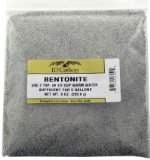
Bentonite - This is a type of clay that is used as a clarifier for wine and mead. You add some to the mead and it binds with particles floating in the mead then forms a layer on the bottom so you can rack off the mead and leave all the particles behind. There are many types of bentonite and you should only use the type specifically for wine making. It is inexpensive and comes with specific instructions. Bentonite - 8 oz.
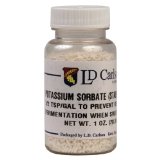
Potassium Sorbate - This is a chemical that is used to prevent restarting of the ferment in mead. It is added just before bottling. It will not stop the ferment but it will prevent a secondary ferment from occurring. This can be desirable because if your bottled mead, over time, starts a new ferment while in the bottle a pressure can build up and burst the bottle or the cork. Potassium Sorbate - 1 oz.
Iodophor - This is a sanitizer liquid. It is very effective at sanitizing your equipment when mead making. Iodophor Sanitizer for Brewing or Wine Making
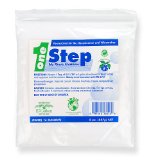
"One Step" No Rinse Cleaner - This is a brand name organic cleaner that uses oxygen to clean. It is very convenient because you don't have to rinse your equipment after cleaning with this. It comes in a powder form that you add water to. E.C. Kraus One Step No-Rinse Cleanser
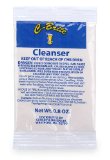
C-Brite Cleanser - This is a brand name cleaner and sanitizer used to clean your mead making equipment and utensils.
E.C. Kraus C-Brite Cleaner
Bleach - Plain unscented house bleach is an effective sanitizer for your equipment. - "about one tablespoon (1/2 fluid ounce, 15 ml) of typical chlorine bleach per gallon of water is the maximum that should be used for sanitizing food contact surfaces, according to federal regulation".
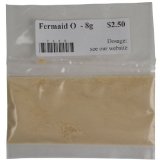
Fermaid - This is a brand name nutrient for mead making. It is added to the batch of mead to lend nutrition to the yeast as it grows. This is often a good idea because honey alone can sometimes be a poor nutrient for the yeast. Particularly something to consider if you are just making a plain mead with no fruits. Fermaid O 8 gram
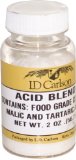
Acid Blend - This is a wine makers blend of chemicals that raise the PH of mead. It can be very useful in that the yeast will only ferment correctly within a certain range of PH. You should test your mead to see if the acidity needs adjusting. Adjusting the mead with an acid blend also can improve the flavor. Blends like this often combine citric acid, malic acid and tartaric acid. It can be added at any point during the ferment. It is often used when bottling to establish the final acidity taste.Acid Blend - 2 oz.
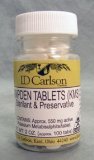
Campden tablets - This has dual use and is very common among wine makers. In smaller doses you can use it to sanitize your must or your fruits. It kills wild yeast and bacteria. In larger doses it is used to sanitize equipment. Campden Tablets (potassium metabisulfite) - 100 Tablets
Sodium Bisulfite - A granulated powder that is used by adding to fruit juices 24 hours before using in your mead. This sanitizes and kills any wild yeast and bacteria. In stronger doses it can be used to sanitize your equipment. It is also used in small doses at bottling to preserve color and flavor of mead.
Potassium Bisulfite - similar to Sodium Bisulfite - A granulated powder that is used by adding to fruit juices 24 hours before using in your mead. This sanitizes and kills any wild yeast and bacteria. In stronger doses it can be used to sanitize your equipment. It is also used in small doses at bottling to preserve color and flavor of mead.
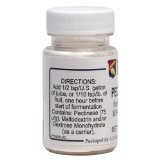
Pectic Enzyme : a chemical used when you are adding fruit to your mead. Pectin is a protein molecule in fruit that can leave your mead cloudy. This enzyme breaks it down and releases more of the fruit. You end up with a tastier and clearer mead.
Pectic Enzyme (powder) - 1 oz.
Diammonium Phosphate (DAP) - This is a nutrient that is often added to mead before the ferment begins.
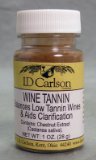
Wine Tannin - Wine Tannin will improve the flavor of a dull wine. Tannin can be used with white wines that have not been exposed to oak to add astringency. Wine tannin can also add an earthy flavor to red wines. Use in conjunction with gelatin or isinglass for later fining as well. 1 oz. size.
Wine Tannin - 1 oz. |