Home

I have a youtube channel with over 1000 Videos!




Hi, Thanks for visiting my website. My name is Will and if you have questions
or would like to
contribute projects or ideas you can contact me 
How to use a hydrometer
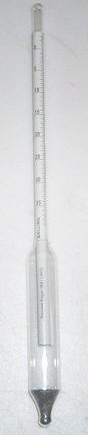
What is a hydrometer?
If you are looking for a hydrometer amazon.com has some great one, they are lower down on the page
It is a very simple tool for checking the specific gravity of a liquid. The picture at left shows one. It is simply a sealed glass tube with a weight at the bottom and a graduated scale along the neck. The hydrometer reads specific gravity of a liquid in comparison with water. If you placce the hydrometer in plain water it would read a density of 1.00
In a nutshell the hydrometer is reading the quantity of solids that are dissolved in your mead.
Using a hydrometer when making mead
It is pretty easy to use a hydrometer. You just put it right into the mead and look at it. Look at where the top surface of the mead is and take a reading off the scale of the hydrometer.
When you first mix your must and take the specific gravity reading it should be between 1.06 and 1.12 which is pretty normal but you may vary from this a bit depending on how much honey you have added.
Having Trouble trying to figure out how to get your hydrometer into and out of your carboy?
Most hydrometers come in a plastic tube that is made for the reading of fluids. What you do is use a wine thief to extract the mead from your carboy and fill up the plastic tube with it. You place your hydrometer in that and take your reading.
Why use a hydrometer?
The important thing about the hydrometer is that it will enable you to know whether your must is fermenting properly. The final mead specific gravity should fall about 0.10 below what it was when you first mixed it. So, as time goes by (weeks) you should see the specific gravity of your must falling.
And as a rough scale to know your mead is complete here are some numbers:
- Dry Mead: 0.099 to 1.006
- Medium Mead: 1.006 to 1.015
- Sweet Mead: 1.012 to 1.020
- Dessert Mead: 1.02 +
These numbers reflect the drop of about .10 from their original mix. When making each type of mead you will start with a different specific density because of the quantity of honey you have added.
Check your mead every week and insure the gravity is still falling. If it stops you may have a batch that has stopped fermenting and the yeast has gone dormant again. And you may need to reactivate it.
Further Notes about your Hydrometer
It sounds basic but you really should read the instructions that come with your Hydrometer. Most hydrometers have several scales on them and it is pretty common for it to have three different (and very useful) scales. The first scale will read the Specific Gravity. The second scale will read the alcohol content. The third scale will read the sugar content. So make sure you use the right scale.
Looking to Buy a Hydrometer? Amazon.com has some great ones that are perfect for, and made for home brewers.
 Triple Scale Hydrometer
 -
Product Description
-
Product Description
This triple scale hydrometer is 10.5" long and provides specific gravities between 0.990 - 1.160, potential alcohol by volume of 0-20%, and sugar per liter scale of 0-35. The instructions and plastic case are included with this product.
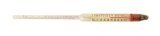 Triple Scale Hydrometer with Thermometer (Thermohydrometer)
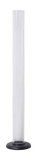

Hydrometer Test Jar for Home Brewing or Wine Making 14 Inches Tall Want a neat and clean way to read your hydrometer? This test jar is perfect. Extract a little bit of your mead and put it in this jar. Perfect for testing specific gravity. Just put your hydrometer right in it.