HOME

Tips and Hints for Sculpting Miniatures

Here are a variety of tips, tricks, and techniques that you might find useful when it comes to making miniature sculptures.


Here is another great sculpting tip from Nicholas "Using a stiff bristle paintbrush".

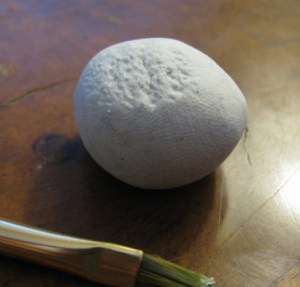
"A stiff bristle paintbrush, like a boar bristle brush, is perfect for adding texture. Just gently stab the bristles into the surface of the sculpting clay over and over again in the area you wish to add texture to, and you get a very nice effect. This technique is perfect for making areas less glossy, and to add a rough look to surfaces."

This picture shows a dappling effect that was achieved with a firm bristle brush.


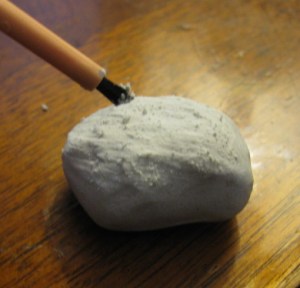
Brushing the clay

This picture shows the effect of brushing in parallel lines. It can give you a nice texture and would be great for some types of clothing and in particular for the fur of animals or creatures. This picture also shows what you can do if you don't have a firm enough paint brush. With a pair of scissors you can cut the bristles down in length. The shorter you cut them the firmer they get.


Here is an excellent Sculpting Tip Submitted by a web visitor (Nicholas) Thanks for the great tip Nicholas!

When I worked with Milliput, and wanted to smooth out a surface to remove fingerprints and tool marks, I used a drop of water. It really helped a lot, especially when the putty is sticky and malleable, since the water will prevent it from sticking to your fingers/tools, and would also make a smoothening "slurry" on the surface. The same might work with the epoxy putty you use. It's worth a try at least. :)


A Clay shaper

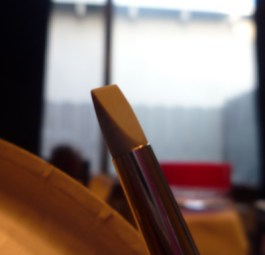
Try using clay shapers. These are a new type of tool with a composite rubber tip. They give you a nice feel for sculpting and they come in a wide variety of shapes and sizes. I have more about these here: Clay Shapers


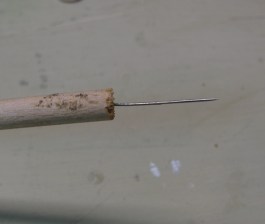
Pin in a dowel toolThis is one of my favorite tools and it really comes in handy when doing the real fine detail work on a miniature. It is a pin that I have glued into the end of a short piece of dowel. Cut a dowel about six inches long then, with a pair of pliers, stick a pin into the end. Add some glue then let it dry. You have a great little tool for adding fine details. Text


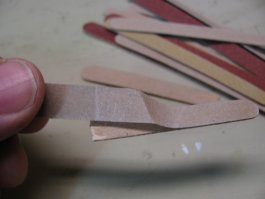
Use an emory boardHere is a nice little tip. I use emory boards as small pieces of file or sandpaper. You can snap the board in half then peel the sandpaper right off. I like to make strips of it. Comes in handy for fine filing in places where a microfile just won't reach.


Using corks to hold your miniatures

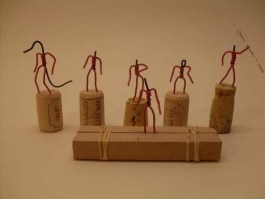
Here is a nice little tip although it is pretty common but if you don't do this you really might want to give it a try. I use a cork to hold my miniature while I am working on it. It makes it very comfortable to hold and to rotate into any position you want. Very comfortable and very practical.


Here is a great tip from a web visitor: After you make the armature you can use painters paper tape to fill some of the spaces and flesh out the musculature of the figure. It works wonders, saves putty and helps the putty stick to the armature better. This tip was submitted by DanGwanCie; you can visit his youtube channel here: DanGwanCie


Custom Search

Return to Stormthecastle.com
Home


Table of Contents for this tutorial

  1. Miniature Home
  2. Miniature Painting intro & overview
  3. Painting Miniatures Tutorial start
  4. The Paints
  5. Preparing the Miniature for painting
  6. Priming the Miniature
  7. What to paint first
  8. More Painting and the details
  9. Close-up of the completed Warhorse
  10. Adding texture to the base for realism
  11. Tips and hints for painting miniatures
  12. Diorama and Miniature supply Store
  13. New Painting Miniature Tutorial: A Spartan Warrior
  14. VIDEO TUTORIAL: How to paint miniatures
  15. Miniature Paints and kits at Amazon
  16. Ral Partha Miniatures
  17. Links and info about manufacturers of miniatures
  18. Understanding Miniature Scale
  19. How to Make Foam Terrain for wargaming or dioramas
  20. How to Cast Miniatures
  21. Model Railroad and Trains

Sculpting Fantasy Miniatures

NEW: How to sculpt fantasy miniatures

  1. Part 1 - intro
  2. Part 2 - Drawings
  3. Part 3 - Making Wire Armatures
  4. Part 4 - Your first miniature 6"
  5. Part 5 - Make a 3" miniature
  6. Part 6 - the musculature of the 3" miniature Viking Warrior
  7. Part 7 - Our first Armor - we sculpt the viking helmet
  8. Part 8 - Sculpting leather and chainmail
  9. Part 9: Adding Belt, bracers and boots
  10. Part 10:Painting the miniature
  11. Part 11: 25mm Female Warrior
  12. Part 12 : The basic shape of the mini
  13. Part 13: Completing the body
  14. Part 14: Adding the swords and doing detail
  15. Part 15: Painting and finishing the miniature
  16. Sculpting Fantasy Miniatures Video Tutorials
  17. Sculpting miniatures store- all the supplies you need.
  18. Sculpting tips
  19. Sculpt a Dwarf
  20. Sculpt a Treasure Chest
  21. Sculpt a miniature Raver and Gegenhound

WW2 Miniatures and Models

Products - Miniatures Supplies and Stores

Short Tutorials

  1. How to Make a miniature ladder
  2. Make a Miniature Hedge Maze (The Maze of Maddness)
  3. Make miniature buildings
  4. Make Miniature Bricks
  5. Make a Waterfall


OTHER PROJECTS

Art & Drawing
For Writers
For Webmasters
Earn with your website

WEBSITES

Stormthecastle.com
Castlefiction.com
Epic Fantasy.com
The Medieval Armory
THe Fantasy Guide

The Heroic Dreams Blog

The Telescope Nerd
HobbyNerd.com

STORES

Posters
Dioramas and miniatures


MORE


My Youtube Channel

Twitter - Follow Me

Links
Banner Exchange

---------
All Materials, unless otherwise stated, are Copyright© 2001 -2012
Kalif Publishing and StormtheCastle.com check out my copyright page for information about how to use any work on this site.

If you have questions
or would like to
contribute you can

---------

Earning money with your website