Carnivorous plants are a very unusual species of plant. And they are testament to the diversity of our eco-system. They have overcome the disadvantage of environments that have soil with little or no nutrients by eating the nutrients of small insects. This lack of need for rich soil is an advantage for you as a terrarium maker. It takes the worry out of soil selection and watering. And generally you will not use potting soil for your terrarium. You will use a mixture of moss and sand.
When selecting your plants I recommend you make your terrarium, or at least your first terrarium, with only one particular type of carnivorous plant. The different species of plants have varying needs and caring properly for one type can kill another type.
The More common types of carnivorous plants are:
- Venus Fly Traps
- Pitcher Plants
- Butterworts
- Nepenthes
- Cobra Lilies
- Sundews
The Easiest Carnivorous plant for a terrarium
The Venus fly trap is one of the best selections for your first terrarium because it is hardy and easy to raise. It is also quite dramatic with jaws that close around its prey. Plant the fly traps in a terrarium that is made up of between 50 and 70 percent spaghnum moss or peat moss with the remainder either sand, perlite, or pumice. The Venus fly trap gains all its nutrients from the insects it eats so you should not use potting soil or any type of fertilizer. This would quickly kill the plants.
How to make your first carnivorous terrarium:
- Choose a dish or bowl for your terrarium
- Mix about half and half spaghnum or peat moss with sand, perlite or pumice
- Don't use potting soil
- Water with only distilled water - don't use tap water
- keep it well lit area or outside but not too much direct sunlight -Bright indirect sunlight is best
- They need high humidity so if you are in a dry climate you are going to have to put them in an enclosed terrarium with a dome top - We have some here
- Don't worry if toward autumn it seems to die back, this is normal; put it in the refrigerator for a couple of months (dormant period) it needs to hibernate like a bear does
- Don't activate the flytrap very often 5 or 6 times will kill it
- Do not feed it hamburger meat! Find small insects like baby crickets but not live caterpillars because they will eat their way out! Dead caterpillars, if they are small are ok.
The Venus fly trap needs lots of sunlight so it should be kept outdoors or in a well-lit location. It also has a dormant season where it will need to be kept cool for two to three months. In this time most of the foliage will die back, which is normal. If you live in a warm climate you can keep the plants in your refrigerator for the dormant season.
When watering your plants keep the soil moist and use only distilled water. The chemicals in tap water can kill the plants. And if you absolutely have to use tap water I recommend you let it sit for 48 hours before using. The fly trap has quite a tolerance for water and can actually survive for extended periods of time underwater. The rule of thumb is to keep the planting material moist but not soggy.
Caring for the plants is easy but there are a couple of rules you should adhere to. Do not excessively spring the fly traps shut. This is how they eat and they need to be open. Repeated use can also cause the traps to not function well. (It will only work five or six times then it will stop and the trap will die off). And you should never feed your plants ground hamburger. This is unhealthy for them and may kill them. Their metabolism is tuned to eating small insects not cows! If you keep your plants in an enclosed terrarium you will have to hand feed them yourself and a good source of food for them is small crickets, which can be bought at any well-stocked pet store.
If you are looking for a carnivorous plant that is easier to care for and doesn’t have to go through a dormancy period you might want to consider getting the Cape Sundew. This is a tropical plant that has the same trap door like action as the fly trap. Its motion is however, much slower. It takes about fifteen minutes for the trap to fully close. And although it is not as dramatic as the Venus fly trap it is much easier to care for.
Carnivorous plants have a very particular allure because they are evolved such an unusual mechanism for survival. By knowing and following these few simple rules you can use them in a terrarium that will bring you lots of enjoyment for years to come.
Looking for some carnivorous plants, a book or some nice bows and accessories for making a terrarium? Check out the Carnivorous terrarium Store
Pitcher Plants
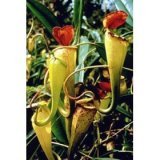
These are a unique species of carnivorous plants and can make for wonderful terrariums and while they are not as dramatic in action as the flytraps they can be quite pleasing to the eye in their unique shapes and colors. They can be a bit more of a challenge to take care of so if you are not experienced with terrariums or carnivorous plants you might want to start with a flytrap then move up into pitcher plants.
How Pitcher Plants work: They have unusually shaped cavities that much resemble a water pitcher and at the very bottom is usually some kind of a liquid that will drown and digest the insects that get caught inside. This digestive liquid can work in a variety of ways such as enzymes or bacteria. The pitcher itself also has many ways of insuring trapped insects can't get out. They often have slippery surfaces, grooves or complex shapes that prohibit escape.
Amazon has Pitcher Plants right here
Caring for Pitcher Plants
There are many different types of pitcher plants and the care of them will vary. When ordering a plant you should receive specific instructions for the species but here are some rules of thumb. Same soil rules apply as in the Venus flytrap. Mix 50/50 spaghnum or peat moss with sand or perlite. (The plants gain their nutrition from insects). Another thing about pitcher plants is that the pitchers should have water in them. So put a small amount of distilled water right in each pitcher. This is very commonly needed when you first get your plant because shipping may have emptied all the fluid from them.
Generally you don't have to feed them but if they go long periods without nourishment you can feed them small insects such as crickets.
Sundew Plants
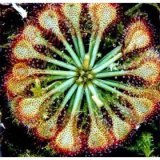 
These are another type of carnivorous plant that are aptly described by their name. They come in a lot of different species and how they work is that their leaves are covered with glandular and sticky tendrils. These tendrils attract insects, trap them with their stickyness then digest them. They are quite unusual in look and many types often have a kind of porcupine look to them.
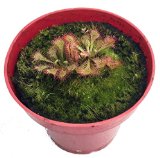
Sundew Spoonleaf
Sundews do not have a dormancy period which makes them suitable for terrariums. They are also reasonably hardy and can tolerate a wide but warm temperature range from 70 f to 95 f. They can do well on windowsills. You should give them lots of light but avoid bright direct sunlight. There are several varieties of Sundew Plants and they have varying care guidelines so if you do get a sundew you should research the care and maintenance of that specific species.
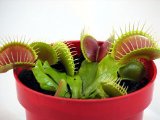 
Venus Fly Trap Plant - CARNIVOROUS -Dionaea - 2
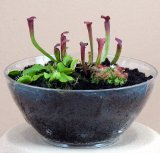 
Carnivorous Terrarium with Live Plants Grow your own feared and famous meat eating plants. This terrarium features the infamous Venus Trap. The leaves of a Venus Fly Trap are covered with fine hairs. When an insect lands on the plant, the pressure on these hairs causes the jaw-like foliage to snap closed, trapping the insect inside. The diabolical Cobra Plant. The unsuspecting insect crawls down the cylindrical stem and is unable to get out. The plant hairs all point down making an escape impossible. The hopeless insect is then slowly dissolved into plant food. And finally the harmless looking Sundew Plant. It lures, captures, and digest insects using stalked mucilaginous glands covering their leaf surface. The insects are used to supplement the poor mineral nutrition that sundews are able to obtain from the soil they grow in. The acrylic terrarium is 6 inches tall and 6 inches wide. Included in the kit are 3 live carnivorous plants, Venus Fly Trap (Dionaea), Sundew (Drosera), and Cobra Plant (Sarracenia). Soil and instructions are included.

The Savage Garden: Cultivating Carnivorous Plants - In addition to the familiar Venus flytrap, there are several hundred species of carnivorous plants on our planet. Most can be grown in the amateur gardener's backyard or even in a window box. Full-color photos show the plants at work and at rest and tell you everything you need to successfully grow your own--little garden of horrors. Full-color throughout.
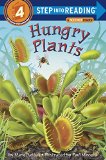
Hungry Plants
This book offers readers a bug's-eye view into the strange and fascinating world of carnivorous plants. From the "jaws" of the Venus flytrap to the pretty sundew plant whose delicate tentacles entrap its prey, the unique anatomy and behaviors of meat-eating plants are detailed with clear, engaging text and art.
|